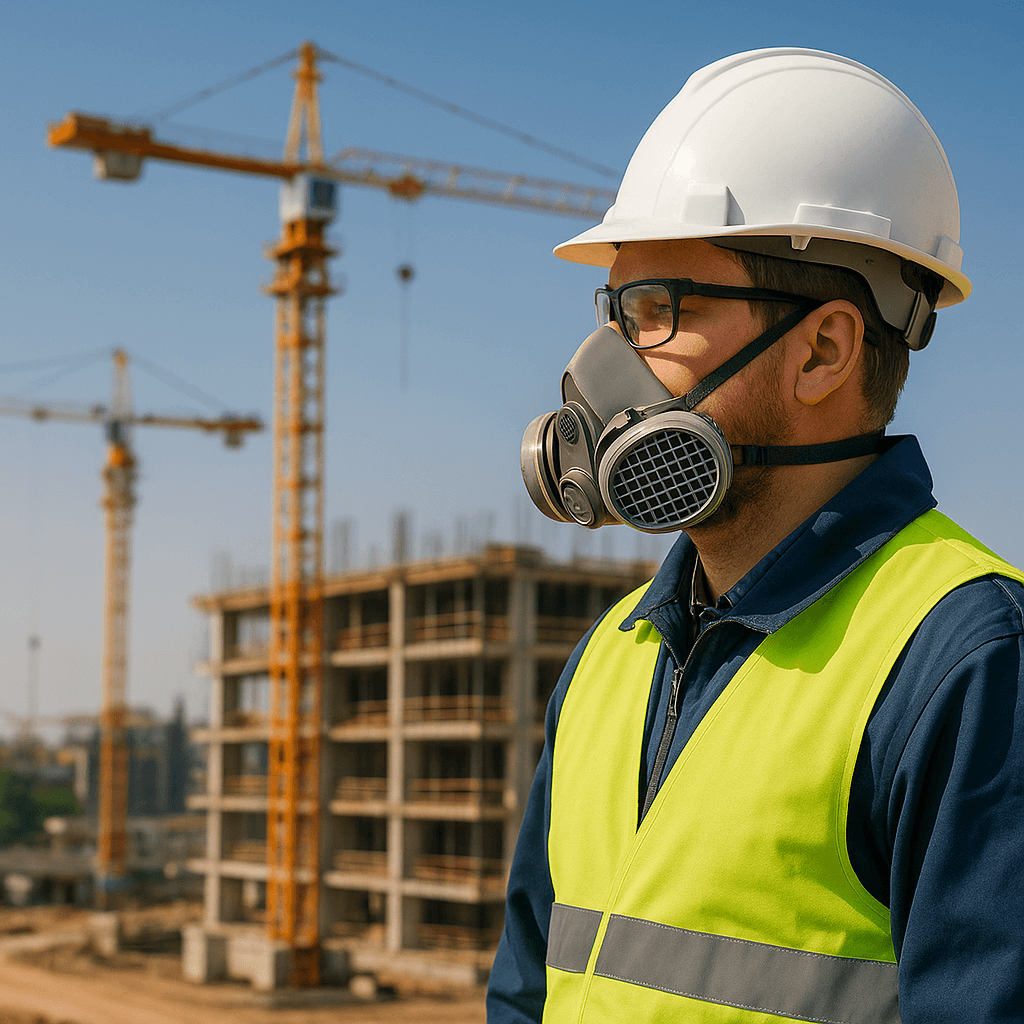
Silicosis, a debilitating respiratory disease caused by exposure to silica dust, has become a significant concern in the Australian construction industry.
With the risk of exposure affecting thousands of workers, it’s necessary to address this epidemic through education.
By providing silica awareness training, both online and offline, construction workers can better understand the risks to health associated with respirable crystalline silica.
This article will explore the top 5 ways education can help tackle the silicosis epidemic, ensuring a safer workplace for all.
What Is Silicosis?
To put it simply, silicosis is a lung disease caused by inhaling respirable crystalline silica dust, which is found in various forms of silica, including quartz, cristobalite, and tridymite.
Prolonged exposure to silica dust in the construction industry, particularly in occupations such as abrasive blasting, stone benchtop fabrication, and mining, increases the risk of developing silicosis.
The effects of silicosis on human health can be devastating, leading to chronic bronchitis, pulmonary disease, and even kidney disease.
Inhaling silica dust can cause inflammation and scarring in the lungs, making it difficult to breathe and reducing oxygen intake, resulting in shortness of breath.
The impacts of silica dust exposure can be severe and long-lasting, highlighting the importance of silica awareness training, particularly in industries where workers are at risk of exposure.
According to the Australian Government’s WorkSafe Act, employers have a responsibility to ensure a safe working environment, which includes providing training and implementing systems for prevention and hazard prevention.
What Diseases Can Silica Dust Cause?
Silicosis is a lung disease caused by inhaling respirable crystalline silica, which leads to inflammation and scarring of lung tissue and reduces the ability to breathe.
Workers exposed to silica dust, particularly in the construction industry, face significant health risks.
Implementing effective systems for prevention and adhering to workplace exposure standards are crucial to mitigating these risks.
Prolonged exposure to crystalline silica dust increases the risk of lung cancer, especially in industries such as construction and abrasive blasting.
It’s important for employers to enforce regulatory requirements and conduct regular risk assessments to minimise potential risks to workers.
Chronic Obstructive Pulmonary Disease (COPD), including chronic bronchitis, can be caused by exposure to silica dust.
This leads to long-term respiratory problems and breathing difficulties. Construction workers must be aware of the safety risks and take preventive measures to reduce their risk of exposure.
Silica dust exposure can potentially lead to kidney disease.
Studies have shown a correlation between prolonged exposure and kidney function impairment. To address this, silica training and awareness programs are vital in equipping workers with the knowledge to protect themselves.
Silica dust may also trigger autoimmune diseases such as rheumatoid arthritis and lupus by affecting the immune system’s response to bodily tissues.
Plus, research has shown that exposure to silica dust can increase the risk of cardiovascular disease, tuberculosis, and even certain types of cancer.
The impacts of silica dust on overall health are far-reaching and can have devastating consequences if left unchecked.
Ensuring compliance with national standards and relevant legislation is crucial for protecting workers’ health.
The Role of Silica Awareness Training
Silica awareness training online courses are especially beneficial as they provide flexible access to important information.
These courses cover topics like the hierarchy of controls, which is a systematic approach to hazard prevention that prioritises elimination, substitution, engineering controls, administrative controls, and personal protective equipment (PPE).
Understanding and implementing these controls can significantly reduce workers’ risk of exposure to silica dust.
Training also emphasises the importance of compliance with the Worksafe Act and other relevant legislation.
Construction workers learn about the workplace exposure standard and how to conduct risk assessments to identify potential risks associated with silica dust exposure.
Completing silica awareness training deepens workers’ understanding of their responsibilities and the safety risks related to silica dust.
They learn how to recognise the health effects and symptoms associated with exposure, such as shortness of breath and chronic bronchitis.
The training equips them with the knowledge to implement effective systems for prevention and adhere to regulatory requirements.
Successful completion of these courses results in a certificate of completion, which not only confirms the worker’s knowledge but also reinforces the importance of continuous education in maintaining workplace health.
Silica awareness is a critical step in protecting workers and ensuring they have the skills to safely navigate environments where crystalline silica dust is present, such as in stone benchtops and abrasive blasting operations.
Work Activities That May Represent a High Risk Exposure
- Cutting and Sawing Concrete or Stone: Activities involving cutting or sawing concrete or stone release high levels of respirable crystalline silica, posing significant risks to health. Proper silica awareness and adherence to the workplace exposure standard are essential to mitigate safety risks.
- Abrasive Blasting: Using sand or other materials containing crystalline silica in abrasive blasting creates dust clouds, increasing the risk of exposure. Implementing the hierarchy of controls, including engineering controls and personal protective equipment (PPE), is critical for hazard prevention.
- Demolition of Structures: The demolition of buildings, especially those containing concrete or silica-based materials, can lead to high silica dust exposure. Construction workers must follow regulatory requirements and relevant legislation to ensure workplace health.
- Manufacturing of Stone Benchtops: The fabrication and installation of stone benchtops involve cutting and polishing, which can generate significant amounts of silica dust. Workers should undergo silica training to understand the potential risk and health effects.
- Drilling and Jackhammering: Drilling into concrete or rock can release crystalline silica dust. Workers must conduct risk assessments and use systems for prevention to minimise the health risks and impacts of silica dust.
- Sandblasting: This process involves using silica-containing sand to clean or etch surfaces, posing high safety risks. Implementing air monitoring and adhering to national standards are vital to prevent exposure to silica dust.
- Tunnelling and Excavation: Activities such as tunnelling and excavation in silica-rich environments can expose workers to high levels of silica dust. Responsibilities of workers include taking necessary precautions and completing online courses to stay informed about silica awareness.
- Tile Cutting and Grouting: Cutting tiles and applying grout can release silica dust, particularly in confined spaces. Workers must use appropriate PPE and adhere to risk assessments for successful completion of tasks while maintaining workplace health.
- Ceramics and Glass Manufacturing: The production processes in ceramics and glass industries can expose workers to silica dust, requiring strict adherence to workplace exposure standards and continuous silica training.
The 5 Best Ways of Tackling the Silicosis Epidemic with Education
Implementing Workplace Training Programs
These programs educate workers about the risks of exposure to respirable crystalline silica and teach hazard prevention techniques.
Silica awareness training should cover safety risks, regulatory requirements, and the importance of using personal protective equipment (PPE).
Workers should be trained on conducting risk assessments and understanding the hierarchy of controls to reduce exposure.
Practical strategies include using water suppression systems to minimise dust, implementing local exhaust ventilation, and regularly monitoring silica dust levels.
Encouraging open communication and reporting of unsafe conditions also supports a proactive approach to workplace health.
Developing Comprehensive Educational Resources
Comprehensive educational resources include online courses, workshops, and training materials that cover health risks and prevention strategies.
The courses should provide detailed guidance on implementing systems for prevention, such as using engineering controls and administrative measures to minimise silica dust exposure.
They should also explain the importance of adhering to the workplace exposure standard to ensure a safe working environment.
Workshops can focus on practical applications, such as demonstrations of proper personal protective equipment (PPE) usage and techniques for dust suppression. Training materials should include easy-to-understand guides and visual aids that reinforce key concepts and best practices.
Upon successful completion, workers receive a certificate of completion, which not only recognizes their knowledge but also emphasises their responsibilities in maintaining workplace health and safety.
This certification encourages ongoing compliance and accountability in preventing silica-related health issues.
Leveraging Technology for Education
Online courses offer flexibility, allowing workers to access training materials at their convenience and pace.
These courses include videos, quizzes, and interactive modules that cover the impacts of silica dust and essential safety measures.
Mobile apps provide on-the-go access to training resources, enabling workers to review key information and complete assessments directly from their smartphones.
Apps can also send reminders about safety practices and updates on regulatory changes, ensuring workers stay informed.
Virtual reality (VR) simulations create immersive environments where workers can practise safety procedures in realistic scenarios without actual risk.
VR can simulate situations like working with stone benchtops or abrasive blasting, helping workers understand the proper use of personal protective equipment (PPE) and dust control measures.
Technology also supports air monitoring by using sensors and devices to track silica dust levels in real time.
Data collected from these devices can alert workers and supervisors to high dust levels, prompting timely interventions to prevent exposure.
Community Outreach and Public Health Campaigns
Collaborative efforts between health professionals and educators can develop targeted campaigns aimed at construction workers, employers, and the public.
These campaigns focus on providing practical information and resources to reduce exposure to respirable crystalline silica.
Educational materials such as brochures, posters, and informational videos can be distributed at workplaces and community centres to increase awareness of the health risks associated with silica dust.
These materials should emphasise key topics like safety risks, hazard prevention, and the proper use of personal protective equipment (PPE).
Workshops and training sessions can be organised to offer hands-on demonstrations of dust control measures and PPE usage.
These events allow workers and employers to learn effective prevention strategies directly from experts. Workshops should cover topics such as conducting risk assessments and implementing the hierarchy of controls.
Public health campaigns can also include community events that feature guest speakers, interactive displays, and live demonstrations to engage the public and foster a culture of safety.
These events encourage dialogue between stakeholders and promote responsible practices in the construction industry.
Social media platforms can be utilised to reach a wider audience, sharing tips and success stories about silica awareness initiatives.
Policy Advocacy and Legislative Efforts
Pushing for the implementation of relevant legislation, like the WorkSafe Act, helps establish clear regulations for preventing silica dust exposure.
Efforts should focus on creating a workplace exposure standard that sets maximum allowable limits for silica dust levels.
This standard helps protect workers by providing a benchmark for safe working conditions.
Enforcing compliance with these regulations holds employers and workers accountable for their responsibilities in reducing exposure risks.
Advocacy can include engaging with policymakers to prioritise funding and resources for enforcing silica-related safety measures.
It can also involve promoting training programs that educate workers about their rights and obligations under the law.
Government partnerships are essential for addressing the public health concern posed by silicosis. These partnerships provide critical resources and support for prevention, early detection, and treatment initiatives.
Joint efforts can focus on research and development of new technologies for dust suppression and monitoring.
They can also facilitate the sharing of best practices and successful case studies across different sectors.
Working together, government and industry can enhance workplace health by implementing effective solutions and raising awareness about the importance of silica safety measures.
Conclusion
So, by implementing the 5 best ways of tackling the silicosis epidemic with education, construction workers can significantly reduce their risk of exposure to respirable crystalline silica dust.
Through silica awareness training online, workers can gain a deeper understanding of the health risks associated with silica dust exposure, including chronic bronchitis, kidney disease, and pulmonary disease.
Employers can ensure a safer workplace for their employees by prioritising hazard prevention and adhering to the Worksafe Act and national standards.
With the successful completion of online courses, workers can obtain a certificate of completion, demonstrating their commitment to workplace health and safety.
By taking proactive steps to prevent exposure, we can work towards a future where silicosis is a thing of the past.